There are a variety of labels that refer to the use of antibiotics in livestock production, such as raised without antibiotics or antibiotic free. These labels are found on products that come from animals- meat, eggs, milk, etc.- and refer to the fact that the animal did not receive antibiotics during its productive life. However, it is important to note that this is not a label that is regulated or approved by the USDA.
The terms “no antibiotics added” may be used on labels for meat or poultry products if sufficient documentation is provided by the producer to the Agency demonstrating that the animals were raised without antibiotics.
http://www.fsis.usda.gov
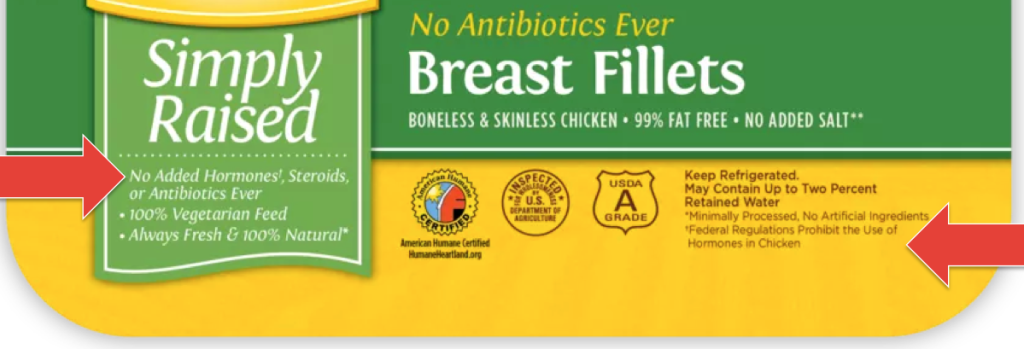
So why is this important? Why would someone be concerned about this label? You have probably heard of antibiotic resistance. According to the Center for Disease Control and Prevention (CDC), antibiotic resistance is currently one of the most prominent health concerns and can affect as many as 2 million people a year. Combating the issue will require all of us- medical professionals, patients, and farmers- to use antibiotics much more responsibly.
Why are farmers using antibiotics on their animals anyways? While many believe it is to increase growth promotion and production, growth promotion is no longer a USDA permitted use of antibiotics in livestock as of January 2017. However, it is true that a healthy animal will grow faster and be more productive than one that is sickly.
Farmers do use antibiotics to treat animals that have been diagnosed with an illness, which controls the spread of disease or illness to other animals. Spread of illness occurs not just in animals kept in close quarters. Animals, like humans, enjoy being around other animals. They touch muzzles, share water, use the same bedded areas for sleeping. Much like you can catch a cold from your neighbor at work, an animal can catch an illness from another member of the herd. Antibiotics can prevent this spread from occurring.
Antibiotics can also be used to prevent illness during times when animals are at an increased risk of contracting an illness. Similar to people, stress can put animals at an increased risk of developing an illness. Stress can be caused by a change in housing, an extreme weather event, or weaning an animal from its mother. Using a preventative dose of antibiotics can prevent the need for a larger and more frequent dose being used to treat an illness.
It is important to know that the antibiotics used on animals are tested and approved by the FDA to ensure they are safe for the animal, people consuming meat from the animal, and the environment. Any drug that is considered medically important to humans must be prescribed by a veterinarian.
Antibiotics Used in Humans and Animals
| Use By Volume | Humans | Animals |
| Penicillins | 44% | 6% |
| Cephalasporins | 15% | Less than 1% |
| Sulfa | 14% | 2% |
| Quinolones | 9% | Less than 1% |
| Macrolides | 5% | 4% |
| Tetracyclines | 4% | 44% |
| Ionophores* | 0% | 30% |
*Ionophores are never used in human medicine
When it is necessary for a farmer to use an antibiotic to treat an animal or prevent them from becoming sick, they work closely with their veterinarian to determine the best treatment and follow the FDA approved instructions for use. In order to prevent antibiotic residue from entering our food supply, each antibiotic has a required withdrawal period set by the FDA. This period ranges from 0 to 60 days and is the amount of time it takes the antibiotic to leave the animal’s system. An animal can not go to slaughter, or provide milk to the food supply, before that time has passed.
By law, no meat sold in the U.S. can contain antibiotic residues above the Maximum Residue Levels (MRLs) set by the FDA to ensure safety.”
BEEF. It’s What’s for Dinner.
It’s important to note that even if you chose to purchase food with an antibiotic-free label, there is still a chance that the animal carried antibiotic resistant bacteria. Like people, animals have bacteria in their gut, which may have an antibiotic resistance despite never being exposed to antibiotics.
The best way to ensure that you are keeping yourself and family safe from any bacteria in food is by following proper food safety guidelines.
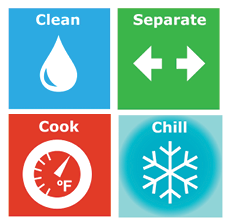
- Clean your hands and the surface you are preparing food on
- Separate your raw meats and seafood from your other groceries and use separate utensils when preparing
- Cook meats to the appropriate internal temperature to ensure all germs and bacteria are killed
- Chill your food in the refrigerator below 40 degrees Fahrenheit, keep perishable foods cold, and thaw frozen food properly
 Molly Siskovic